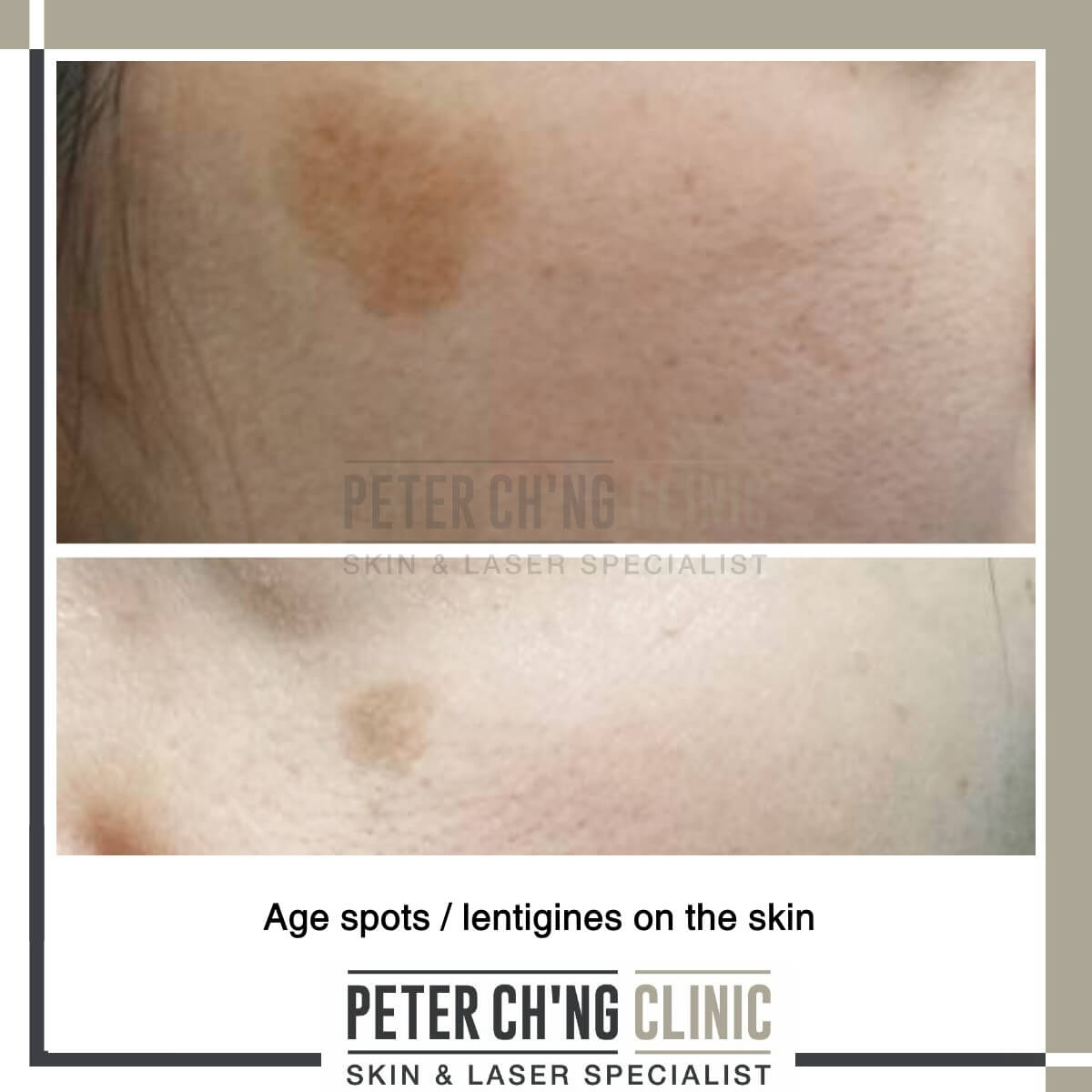
Other Benign Skin Growths Loma Linda University Kids's Health And Wellness
Skin Cancer Vs Benign Moles: Exactly How To Tell The Difference While self-exams are valuable, your medical professional can supply a much more extensive test. Normal skin cancer screenings ensure your skin is healthy and balanced and cancer-free. Treatments for skin modifications can vary, including medications, complete removal with cold, light therapy, or an in-office operation. Though moles can develop into cancer, or cancer malignancy, it is uncommon. According to the National Library of Medication, only 20-30% of cancer malignancies emerge from preexisting moles. The majority of precancerous skin lesions happen in areas that would certainly otherwise be taken into consideration normal, healthy and balanced skin. Nevertheless, having moles does boost an individual's possibilities of establishing cancer cells.
What Percentage Of Moles Are Malignant?
It is frequently used for verrucas and certain keratoses and is a fast, minimally invasive option. Click below for more information regarding where you can locate compassionate treatment.- Actinic cheilitis might evolve into invasive squamous cell cancer otherwise dealt with.
- If you have a sore that is transforming, aggravating, or simply something you would certainly like examined, looking for expert support is the most effective very first step in the direction of a safe and effective sore removal.
- In the long run, it can be challenging for people to tell the difference in between a straightforward mole and a precancerous skin lesion or precancerous mole.
- Any type of obvious development in a mole's size, form, shade, elevation, or symptoms like itching, tenderness, or bleeding needs to increase problems.
- Skin adjustments as you age and are subjected to sunshine, health and wellness conditions, injury, and various other ecological adjustments.
- Early detection is vital for successful therapy, making it essential to identify the indication that could indicate a possibly dangerous skin condition.
Potentially Malignant Sores (skin Cancer)
Exactly how to tell if a skin lesion is benign?
- Proportion in shape, colour and structure.Stable or slowly evolving.Absence of
- spontaneous blood loss(blood loss or ulcer may be because of current injury).
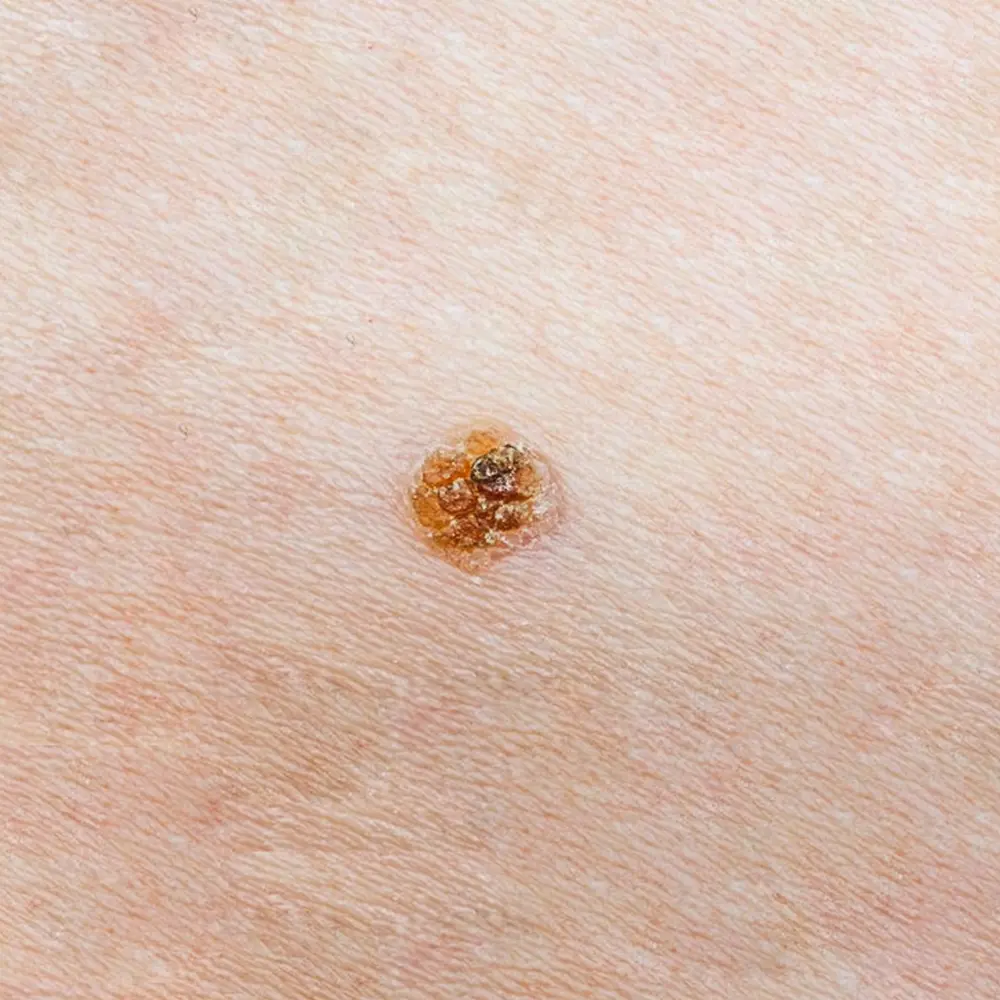
Areas Or Changes In Your Skin That Are Not Most Likely Precancerous
Benign moles normally have smooth, also boundaries that are clearly specified. Irregular, scratched, or scalloped edges on a mole or skin development can indicate possible skin cancer cells. The initial indicator of cancer malignancy in a mole is usually a modification in the size, form, or color of an existing mole, or the look of a new mole. They can be a very early warning sign of skin cancer cells, but it's difficult to inform whether a certain spot will continue to change gradually and end up being malignant. A lot of do not, however physicians recommend very early treatment to prevent Benign skin condition the development of squamous cell skin cancer. Fair, blonde, or red-haired people with blue or green eyes are most in danger. There are a number of kinds of skin cancer cells, with basal cell cancer, squamous cell cancer, and melanoma being one of the most common. Each type provides in different ways and requires specific approaches to treatment. If you see any kind of adjustments, it deserves contacting your physician to guarantee there is nothing to be concerned about. View the video listed below to learn the ABCDE guideline for discovering skin cancer. Surgical excision involves thoroughly cutting out the sore, typically with a little margin of surrounding cells. The skin is then sewn to shut the injury and permit ideal recovery. This method makes certain a complete lesion removal, specifically for bigger or Liquid nitrogen applicator much deeper developments. Routine skin checks and monitoring your moles for adjustments are key to capturing prospective concerns early. At Carroll Dermatology, we offer experienced care for a variety of skin problem beyond benign, premalignant, and deadly skin sores. Our solutions include acne analysis and treatment, and monitoring of pigmentary problems such as melasma, picture damage, brown places, and cherry angiomas.